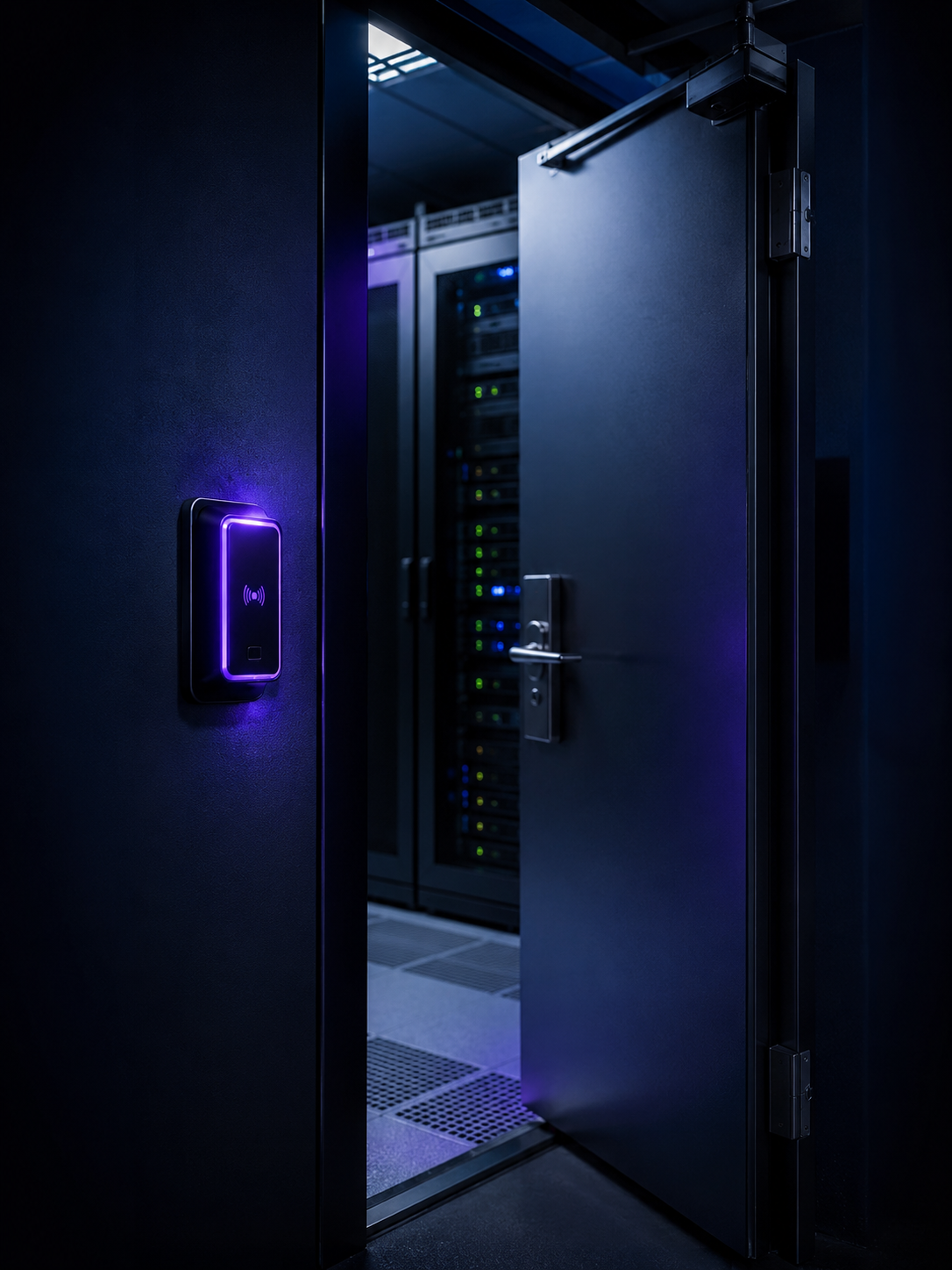
In an era of increasing data breaches and regulatory scrutiny, equipment management has become a critical security concern. Organizations that fail to properly track and manage their physical assets expose themselves to significant risks—from data leakage through lost devices to compliance violations and reputational damage. This article outlines essential security best practices for enterprise equipment management.
Asset classification and risk assessment should be the foundation of your equipment management security strategy. Not all assets pose equal risk. A laptop containing sensitive customer data requires far stricter controls than a printer. Classify assets based on the data they contain or their criticality to operations. This classification drives your security policies: which devices require encryption, who can access them, how they must be stored, and what happens when they're decommissioned.
Complete visibility and real-time tracking is essential for detecting unauthorized access or theft. Your asset management system should provide continuous visibility into where equipment is located, who has it, and what they're doing with it. Real-time alerts for devices leaving authorized zones or unexpected access attempts allow your security team to respond immediately to potential threats. This is particularly important for high-value or sensitive equipment.
Access controls and accountability reduce the risk of unauthorized use. Implement role-based access controls that limit who can check out equipment, and require approval processes for sensitive devices. Maintain a complete audit trail showing who has accessed each asset and when. This accountability deters misuse and provides evidence if a security incident occurs. Additionally, implement multi-factor authentication for access to sensitive equipment management systems.
Secure decommissioning and data destruction is critical for protecting data when equipment reaches end-of-life. Devices containing sensitive information must be securely wiped before disposal or redeployment. Your asset management system should track the decommissioning process and require certification that data has been properly destroyed. This prevents data leakage and demonstrates compliance with regulations like HIPAA and GDPR.
Maintenance and patch management tracking helps prevent security vulnerabilities. Your asset management system should track when each device was last serviced, what patches have been applied, and when the next maintenance is due. This ensures that equipment doesn't fall out of compliance due to missing security updates. Integration with your IT management systems can automate vulnerability scanning and compliance verification.
Finally, incident response and recovery require comprehensive asset documentation. In the event of a security incident, you need to quickly identify which devices are affected, what data they contained, who had access, and what remediation is required. A well-maintained asset management system enables rapid response and minimizes the impact of security events. It also provides the documentation needed for regulatory investigations and incident reports.
Security-focused equipment management is no longer optional—it's essential for protecting your organization. By implementing these best practices, you significantly reduce your risk profile and demonstrate to customers, regulators, and stakeholders that you take security seriously.